Digital Pathways: How E-Wallets Channel Slot Bonuses Into Table Game Activity
Written by Freya Butler · Aug 16, 2026
Digital Pathways: How E-Wallets Channel Slot Bonuses Into Table Game Activity
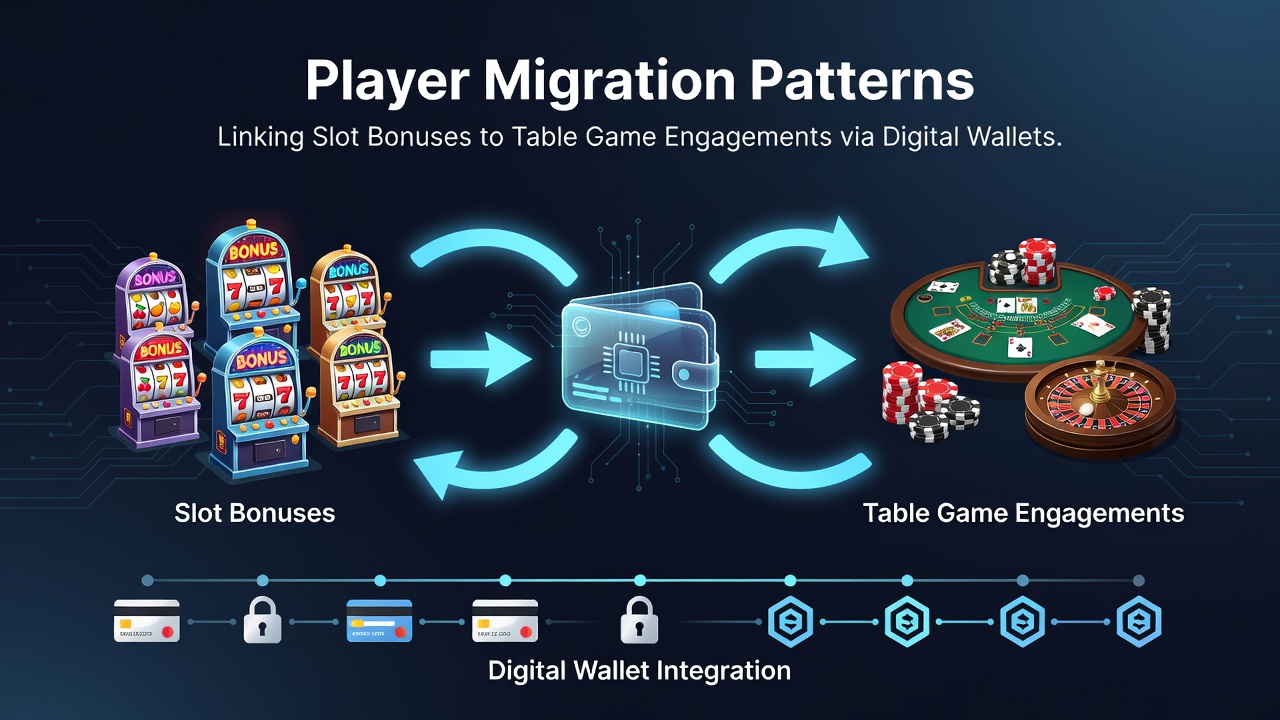
Player migration patterns in online casinos show consistent movement from slot machines toward table games when slot bonuses convert through digital wallets, and data collected across multiple markets in 2026 illustrates this flow. Operators track how initial deposits and bonus credits land in slot play before shifting into blackjack, roulette, or poker sessions once those funds reach e-wallet balances. According to reports from the American Gaming Association, digital wallet transactions rose sharply between 2024 and 2026, with many accounts showing sequential activity that begins in slots and continues at tables within the same session.
Slot Bonuses as Entry Points
Slot bonuses typically arrive as free spins or matched deposits that credit directly to player accounts, and these credits often trigger the first stage of engagement. Research from industry analysts indicates that a large share of bonus redemptions occurs on slot titles because the mechanics allow quick, low-stakes spins that consume the award without requiring additional deposits. Once the bonus cycles complete, remaining balances sit in digital wallets ready for transfer, which removes friction that previously kept players inside the slot section. Observers note that this sequence appears across both desktop and mobile platforms, with wallet apps displaying clear balances that encourage immediate movement to other game categories.
Digital Wallets Enabling Seamless Shifts
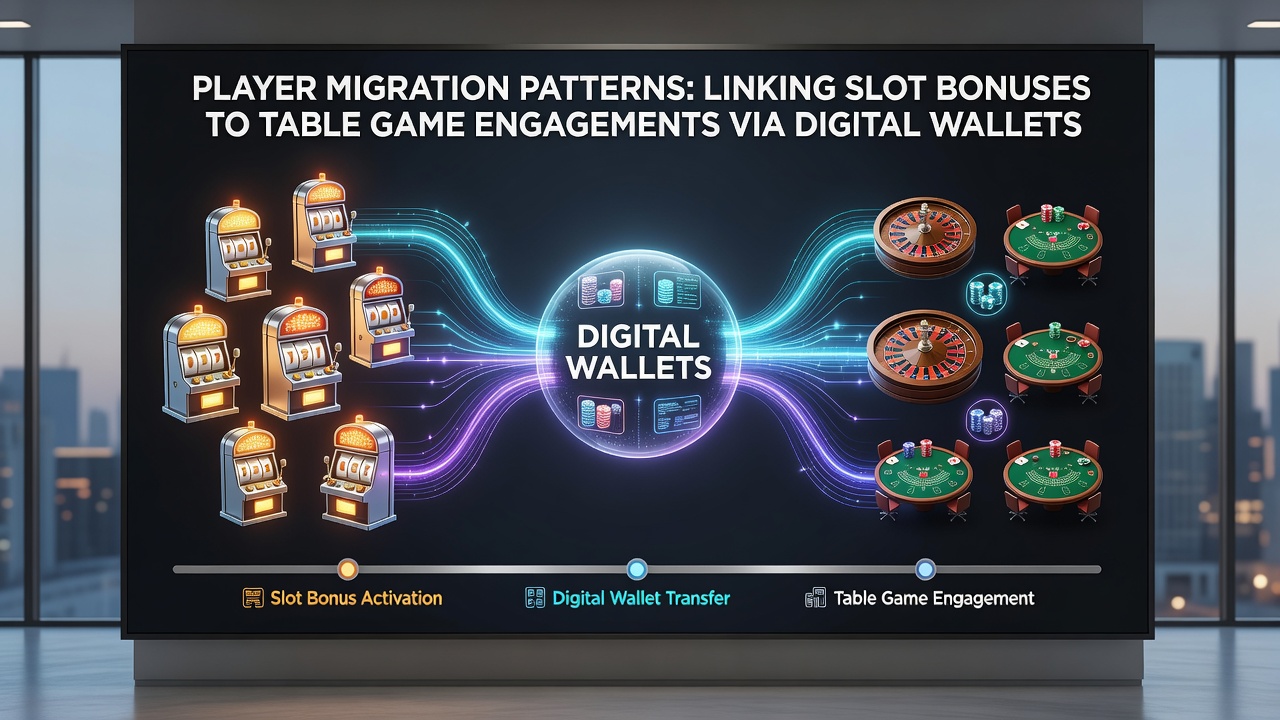
Digital wallets serve as the technical bridge because they support instant internal transfers between game types without triggering new deposit processes or additional verification steps. Players load bonus winnings into wallets such as PayPal, Skrill, or operator-branded accounts, then allocate those funds toward table minimums that slots rarely require. Figures released in August 2026 by Canadian gaming regulators showed wallet-funded table bets increasing by double-digit percentages year-over-year, while slot-only sessions declined in the same player cohorts. The process works because wallet interfaces list available game categories side by side, so users see table options immediately after slot play ends.
Observed Migration Patterns Across Markets
Tracking data from several European operators reveals recurring patterns where players who begin with slot bonuses complete between 60 and 120 spins before wallet balances move to live dealer tables. One study conducted by university researchers in Australia followed anonymized accounts over six months and found that wallet transfers correlated with a 35 percent rise in table game rounds per user. These transfers happen most often during evening hours when live dealer tables reach peak availability, suggesting timing influences the migration speed. Wallet transaction logs also capture the reverse flow in smaller numbers, with table winnings sometimes returning to slots, yet the dominant direction remains slot-to-table.
Geographic differences appear in how quickly the shift occurs. North American accounts tend to move funds within a single login, whereas some Asian markets show multi-day delays between slot bonus use and table engagement. Regulatory frameworks in each region affect wallet speed, since certain jurisdictions impose daily transfer caps that slow the overall pattern without stopping it. Industry groups such as the European Gaming and Betting Association have documented these variations in public reports that compare wallet usage across borders.
Bonus Design and Table Game Uptake
Bonus structures that include wallet cashback or reload offers tied to table play accelerate migration because they create explicit incentives to leave slots. Data indicates that when operators attach table-specific multipliers to wallet balances, the proportion of players reaching table games rises measurably within the first week of receiving the promotion. Conversely, bonuses restricted to slots keep funds inside that vertical longer, though eventual wallet withdrawals still feed later table sessions once restrictions lift. Analysts tracking these mechanics emphasize that the wallet itself does not create new demand; it simply reduces the steps between categories.
Technical and Security Factors
Security protocols built into digital wallets contribute to migration reliability because two-factor authentication and biometric checks occur once per session rather than per game type. This single verification reduces drop-off that used to happen when players encountered repeated logins at table lobbies. Payment processors report that wallet sessions lasting over thirty minutes show higher table game entry rates than shorter ones, suggesting sustained presence inside the wallet interface correlates with broader exploration. August 2026 updates to several major wallet providers introduced in-app game previews that further lowered the barrier by displaying live table odds directly from the balance screen.
Conclusion
Player migration patterns that connect slot bonuses to table engagements through digital wallets reflect measurable shifts in how funds move inside casino platforms. Transaction records, regulatory filings, and operator reports all point to wallets as the functional link that allows bonus credits earned on slots to reach table minimums with minimal interruption. Continued growth in wallet adoption across different regions suggests these patterns will remain visible in future data sets, with operators adjusting bonus terms and game layouts to match observed flows.