Digital Transaction Pathways Facilitating Fluid Shifts Between Slots, Tables, and Live Dealer Play
Written by Hugo Fischer · Aug 18, 2026
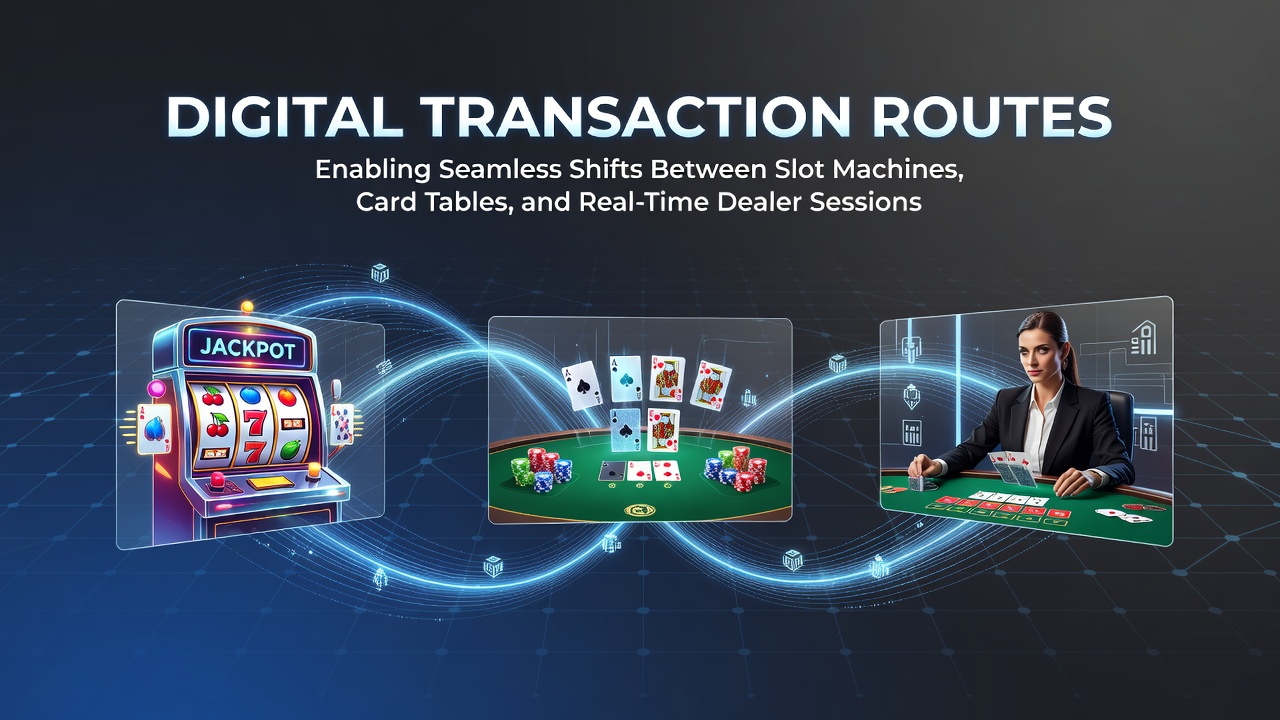
Digital Transaction Pathways Facilitating Fluid Shifts Between Slots, Tables, and Live Dealer Play
Digital transaction pathways have expanded across casino platforms, allowing players to move funds between slot machines, card tables, and real-time dealer sessions through unified payment systems. These routes rely on integrated APIs and secure wallet technologies that process deposits and transfers in seconds rather than minutes, according to industry reports from the Nevada Gaming Control Board. Data from 2025 shows that platforms supporting instant cross-game funding recorded higher session continuity rates compared with those using separate banking interfaces for each game category.
Payment networks such as e-wallets and instant bank transfers form the core infrastructure. When a player finishes a slot session, remaining credits convert directly into a table game balance without additional verification steps in many licensed systems. Researchers at the University of Nevada Las Vegas documented this pattern in a 2024 analysis of transaction logs, noting that seamless routing reduced average downtime between game types by up to 40 percent in participating venues.
Mechanics of Cross-Game Funding
Modern casino software links slot meters, table betting interfaces, and live dealer terminals through a single account ledger. A deposit made via an e-wallet appears simultaneously across all three categories, while winnings from one feed back into the shared balance for immediate use elsewhere. This architecture depends on real-time reconciliation protocols that update balances every few milliseconds, preventing discrepancies during rapid switches.
August 2026 figures from North American operators indicate that nearly 65 percent of digital casino traffic now originates from mobile devices using these unified routes. The same data reveals that players who begin on slots and shift to live dealer blackjack complete an average of 2.3 additional game transitions per session when instant funding remains available.
Live Dealer Integration Points
Real-time dealer sessions require continuous balance verification because bet sizes and outcomes update in video streams. Transaction pathways connect these streams to the same wallet that handles slot reels and card table chips, eliminating the need for separate funding windows. Observers note that platforms employing this model report fewer abandoned live tables, since players avoid the friction of re-entering payment details mid-stream.
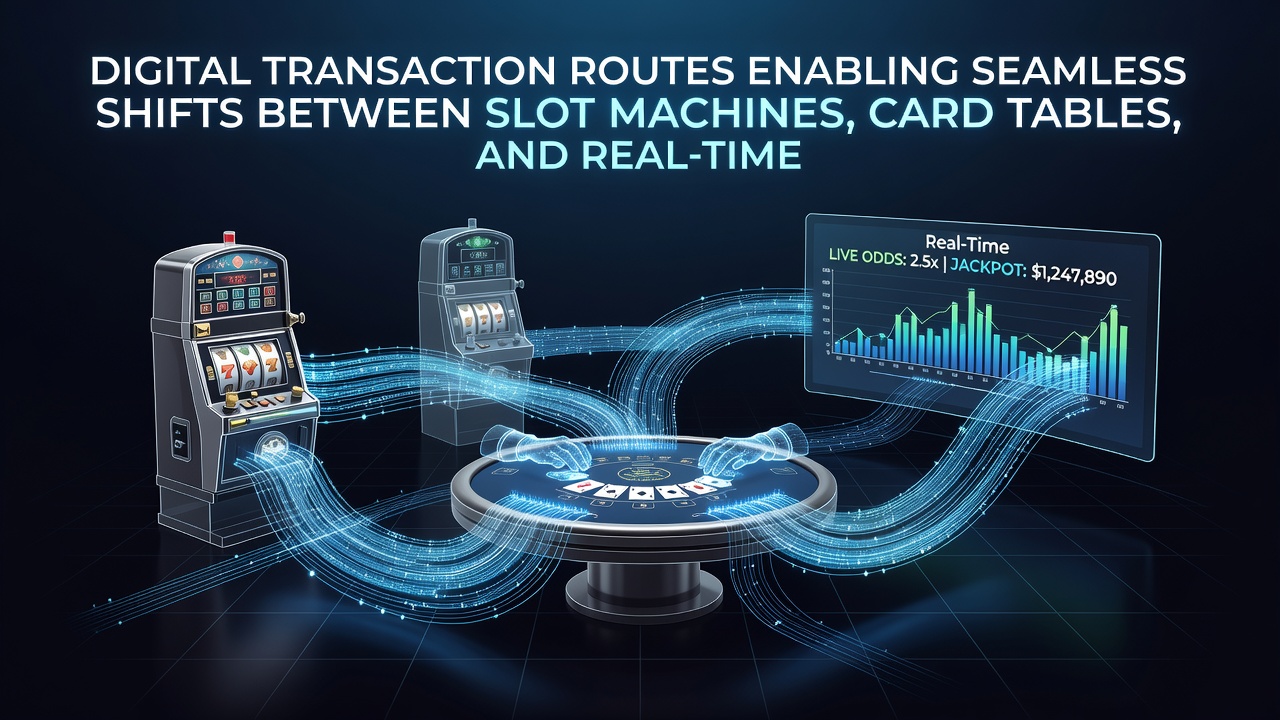
Security protocols such as tokenization and multi-factor authentication travel with each transfer, maintaining compliance across jurisdictions. A 2025 report issued by the Canadian Gaming Association highlighted that casinos using end-to-end encrypted routes experienced a 22 percent drop in payment-related support tickets compared with systems requiring manual balance transfers between game verticals.
Regional Regulatory Variations
European and Australian regulators have published guidelines requiring that transaction logs remain auditable when funds move between game types. These rules emphasize that players must receive clear confirmation at each transfer point, yet the underlying technology still permits near-instant execution. Data compiled by the Australian Gambling Research Centre in early 2026 shows that licensed operators meeting these standards maintained transaction success rates above 98 percent across slot-to-table and table-to-live-dealer movements.
Some operators now embed spending-limit tools directly into the shared ledger, allowing users to set caps that apply uniformly whether they play slots, table games, or live dealer sessions. This unified approach simplifies compliance reporting for regulators while preserving the fluidity of game transitions.
Conclusion
Digital transaction pathways continue to reshape how players navigate between slots, card tables, and live dealer environments by reducing the time and steps required to shift balances. Current infrastructure supports rapid, secure movement across game categories while meeting diverse regulatory standards. Ongoing refinements in API connectivity and wallet integration suggest further reductions in friction will appear in subsequent platform updates.