Payment Routing Architectures Connecting Mobile Slot Bonuses to Live Table Progressive Pools
Written by Hugo Fischer · Oct 17, 2026
Payment Routing Architectures Connecting Mobile Slot Bonuses to Live Table Progressive Pools
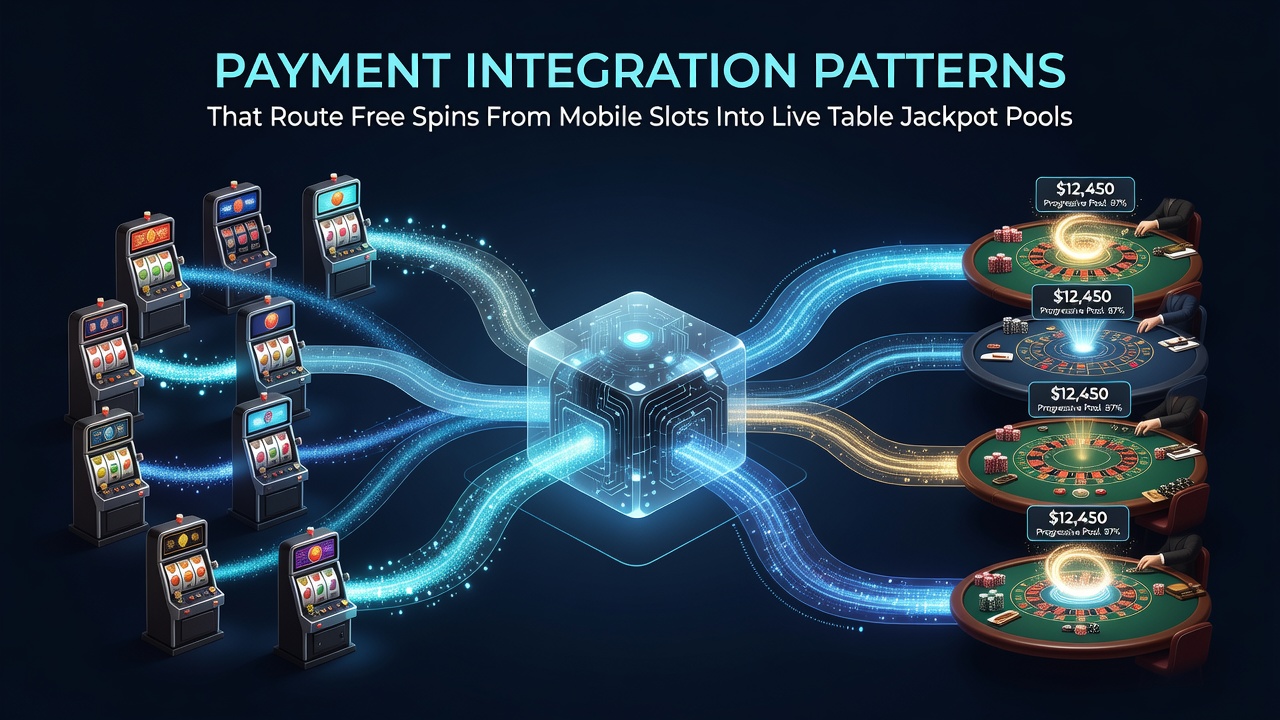
Payment integration patterns in online gaming environments facilitate the movement of value from mobile slot bonuses into live table jackpot pools through structured protocols and wallet synchronization methods, and these systems rely on application programming interfaces that connect separate game verticals while maintaining compliance with jurisdictional standards. Data released in October 2026 from several regulatory bodies indicated rising adoption of such routing mechanisms across multiple markets, with transaction volumes reflecting increased cross-product participation.
Core Components of Routing Systems
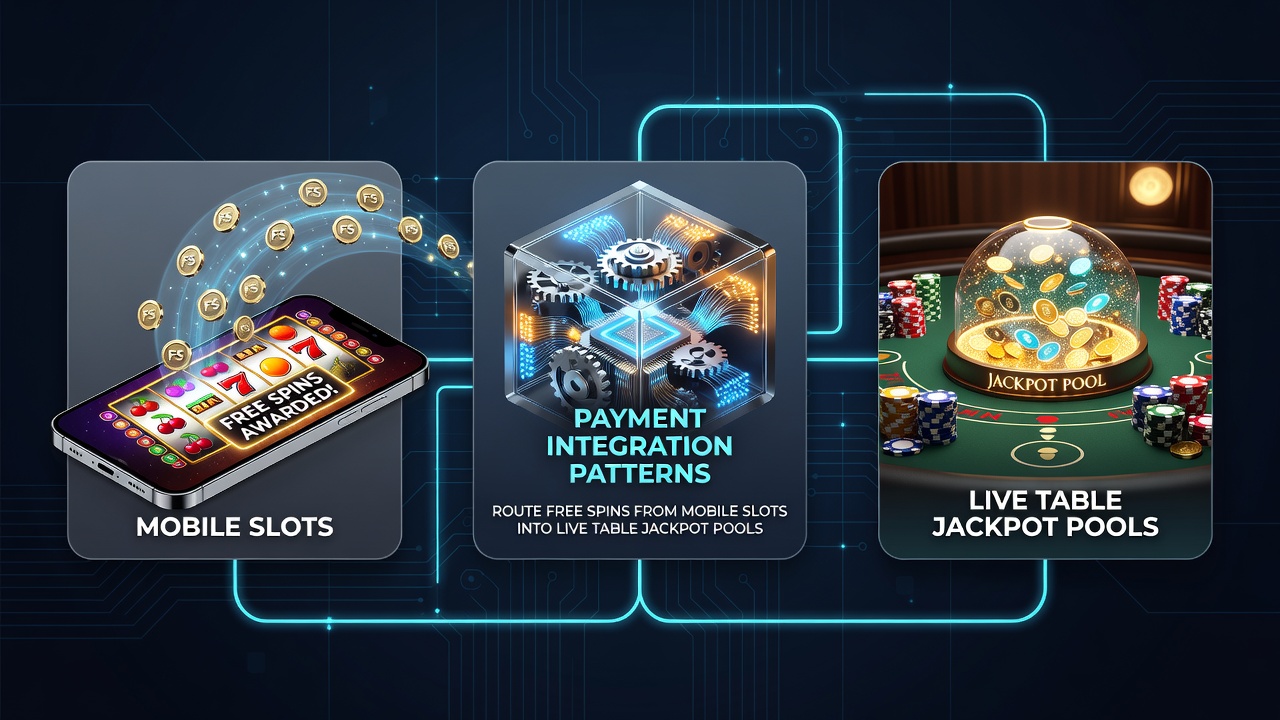
Centralized player wallets serve as the primary node where free spin credits generated on mobile slots convert into transferable balances that feed into live dealer progressive structures, and these wallets employ tokenization techniques to preserve value integrity during transfers while encryption standards protect account details throughout the process. Middleware layers handle the conversion logic by applying predefined multipliers or fixed ratios that determine how bonus amounts contribute to jackpot meters, whereas settlement engines reconcile the flows in real time to prevent discrepancies between originating and destination platforms.
API endpoints exposed by slot providers communicate directly with live game servers to initiate the routing sequence once a player activates a qualifying bonus, and this handoff occurs without requiring manual intervention from the user, which streamlines the experience across device types. Observers note that modular architecture allows operators to swap individual components, such as payment gateways or bonus engines, without disrupting the entire chain, and this flexibility supports updates when new regulatory requirements emerge in different regions.
Security and Compliance Protocols
Transaction monitoring tools track each routed amount from mobile free spins to ensure it meets anti-money laundering thresholds established by oversight agencies, and audit trails record every conversion event for subsequent review by compliance teams. Multi-factor authentication steps verify player identity before large transfers complete, while geolocation checks confirm that the activity remains within licensed territories throughout the sequence.
According to a 2025 industry analysis published by the Nevada Gaming Control Board, standardized encryption protocols have reduced reported discrepancies in cross-vertical transfers by measurable margins, and similar patterns appear in reports covering North American operations. Separate documentation from the Alcohol and Gaming Commission of Ontario highlights how routine penetration testing validates the resilience of these routing pathways against external threats, which supports continued expansion of interconnected game offerings.
Implementation Variations Across Platforms
Some operators utilize event-driven triggers that automatically allocate portions of slot winnings into live jackpot pools once predefined thresholds are reached, whereas others implement batch processing that aggregates multiple free spin outcomes before executing a single transfer to reduce system load. Real-time ledgers maintain synchronized views of available balances across all connected products, and this synchronization prevents over-allocation when players move rapidly between mobile slots and live tables.
Third-party payment processors often supply the underlying rails for these integrations, supplying APIs that abstract currency handling and currency conversion tasks, and this abstraction layer simplifies deployment for operators managing multi-jurisdictional portfolios. Case examples from European and Asian markets demonstrate that hybrid models combining on-premise and cloud-based components deliver comparable performance when latency requirements stay within acceptable bounds for live dealer environments.
Future Development Trends
Research papers from academic institutions examining gaming technology adoption project continued refinement of routing logic to accommodate emerging payment instruments, including those based on distributed ledger systems, and these advancements aim to maintain transaction speed while expanding audit capabilities. Industry groups continue to publish interoperability guidelines that encourage consistent data formats for bonus metadata, which reduces integration friction between independent software vendors.
Conclusion
Payment integration patterns that route free spins from mobile slots into live table jackpot pools rely on coordinated wallet systems, secure APIs, and compliance monitoring frameworks that together enable seamless value movement across game categories. Figures from October 2026 reflect ongoing implementation across licensed markets, with technical documentation underscoring the role of modular design in supporting regulatory adherence and operational scalability.