Payment Verification Periods Direct Shifts in Casino Play from Progressive Jackpot Systems to Live Table Games
Written by Hugo Fischer · Oct 18, 2026
Payment Verification Periods Direct Shifts in Casino Play from Progressive Jackpot Systems to Live Table Games
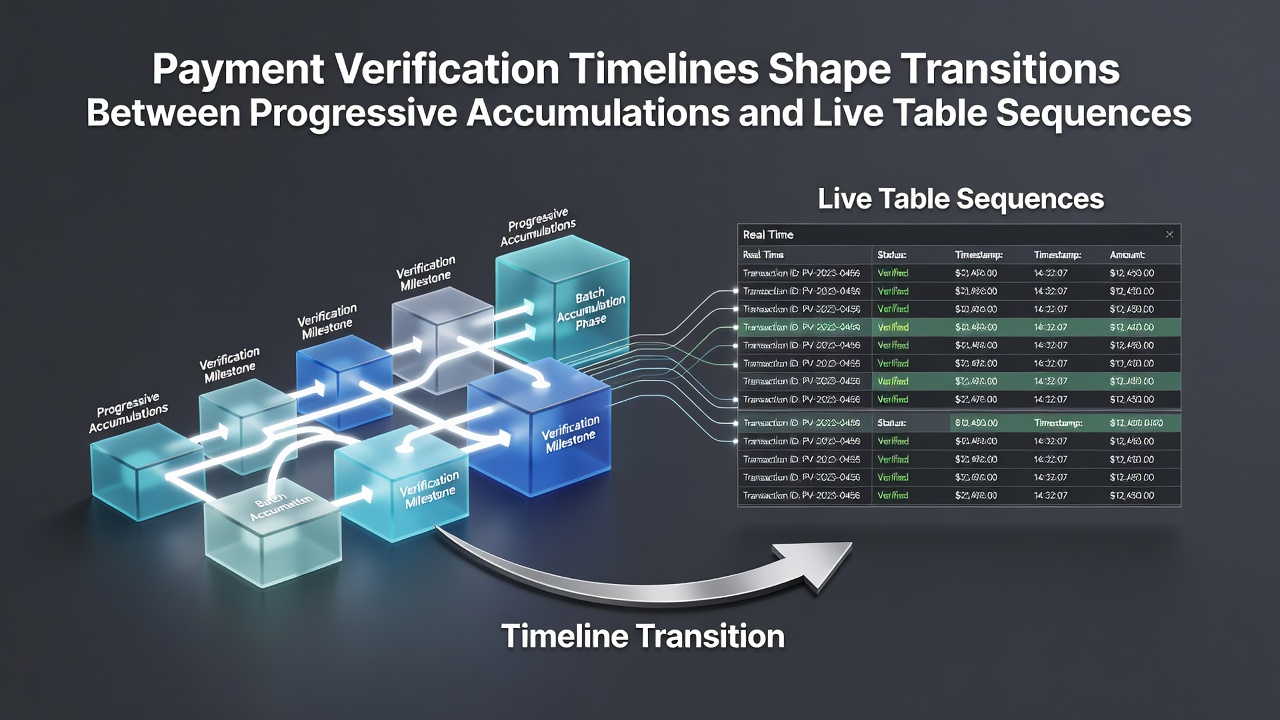
Payment verification periods play a central role in how players move between progressive jackpot accumulations in slot environments and sequences at live dealer tables. Operators track these timelines because they determine when funds become available for continued play. Data from regulatory filings show that shorter verification windows correlate with higher rates of cross-game activity. Longer delays often keep balances locked until manual reviews conclude. Observers note that automated systems now handle most initial checks within minutes while flagged transactions require additional layers of identity confirmation. In October 2026 several North American platforms reported average verification times of under four minutes for routine deposits yet extended waits of up to forty-eight hours for larger progressive-related withdrawals. Those extended windows directly influence whether players remain in slot sessions or transition to live tables once jackpots reach certain thresholds.Mechanics Behind Verification Timelines
Payment processors apply risk-scoring algorithms that examine transaction size, player history, and payment method type. When scores remain low, funds clear quickly and allow seamless movement from progressive accumulations into live dealer sequences. Higher scores trigger holds that pause play across both formats until compliance teams complete reviews. Research conducted by the University of Nevada, Reno indicates that verification holds exceeding thirty minutes reduce the likelihood of immediate game-type switches by approximately twenty-eight percent.
Live table sequences demand real-time bankroll availability because betting rounds proceed without interruption. Progressive accumulations, by contrast, often build across extended play periods. When verification completes rapidly, players can convert slot winnings into table stakes before momentum fades. Slower processes force pauses that break engagement patterns documented in multiple industry reports.
Regional Regulatory Influences on Processing Speed
Authorities in different jurisdictions set distinct standards that shape how quickly operators release funds. The Nevada Gaming Control Board requires operators to maintain records showing average verification completion rates under industry benchmarks. Australian state regulators impose similar transparency rules while emphasizing consumer protection measures that sometimes extend review periods. Canadian provincial commissions focus on responsible gaming protocols that tie verification speed to player self-exclusion tools. These varying frameworks create observable differences in transition rates between progressive and live table environments across markets.
Player Behavior Patterns During Verification Windows
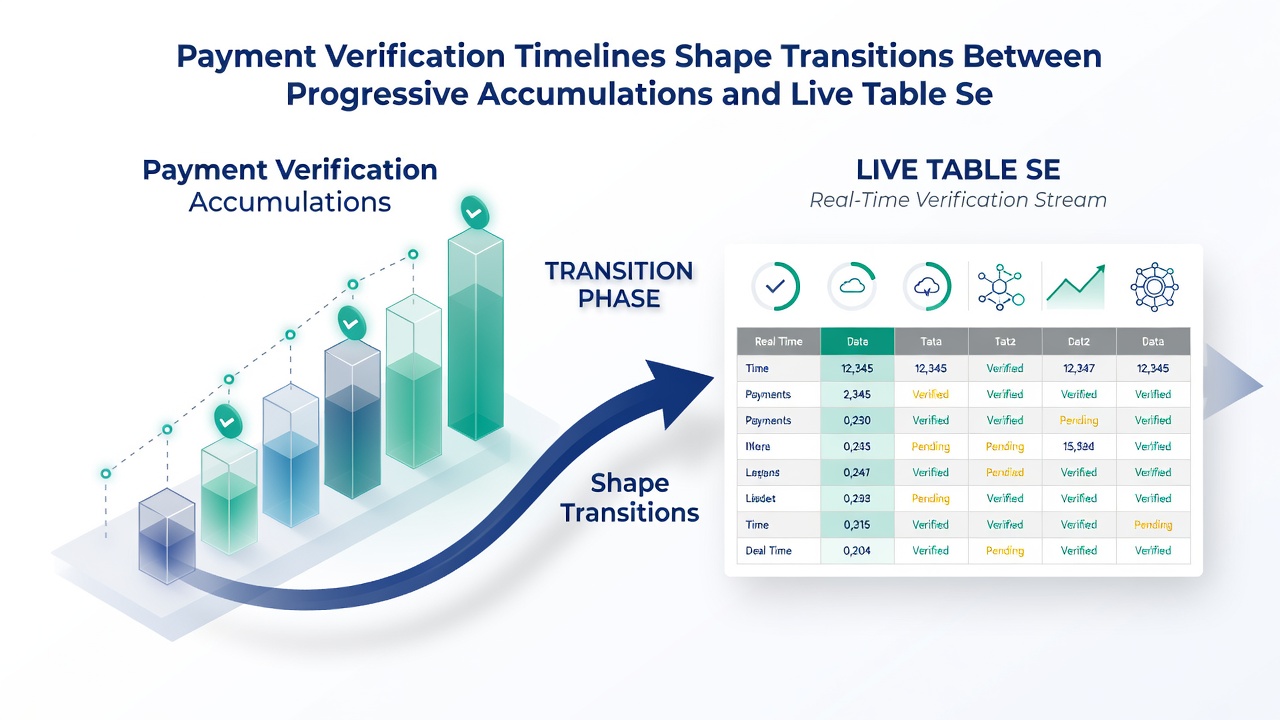
Studies tracking session data reveal that players often switch to lower-stakes live tables when verification holds appear mid-session. Others choose to wait in progressive slot environments until funds clear. One analysis of European operator logs found that verification events lasting between fifteen and sixty minutes prompted forty-one percent of affected accounts to initiate live table sessions once cleared. Shorter holds under ten minutes produced higher retention within the original progressive game type instead.
Payment method choice further modulates these outcomes. E-wallet transactions typically clear faster than bank transfers or card deposits. Players using quicker methods demonstrate elevated transition rates from progressive accumulations to live sequences according to aggregated platform statistics. Slower methods correlate with extended dwell times in single game categories.
Operational Adjustments by Casino Platforms
Many platforms now deploy predictive tools that estimate verification duration at the moment of deposit. These estimates appear in account interfaces and help players plan game-type movements. Some operators introduce temporary credit facilities during verification that allow limited live table access while full clearance proceeds. Such features aim to maintain continuity between progressive jackpot phases and live dealer rounds without violating regulatory hold requirements.
Conclusion
Payment verification timelines continue to function as key determinants in how players navigate between progressive jackpot systems and live table sequences. Regulatory standards, processing technologies, and payment method selections collectively shape these transitions across global markets. Ongoing data collection from multiple jurisdictions provides clearer pictures of how verification speed affects overall engagement patterns in both game categories.