Security Frameworks for Financial Transactions Guiding Player Interactions in Mobile Gaming Variants
Written by Blake Roth · Aug 9, 2026
Security Frameworks for Financial Transactions Guiding Player Interactions in Mobile Gaming Variants
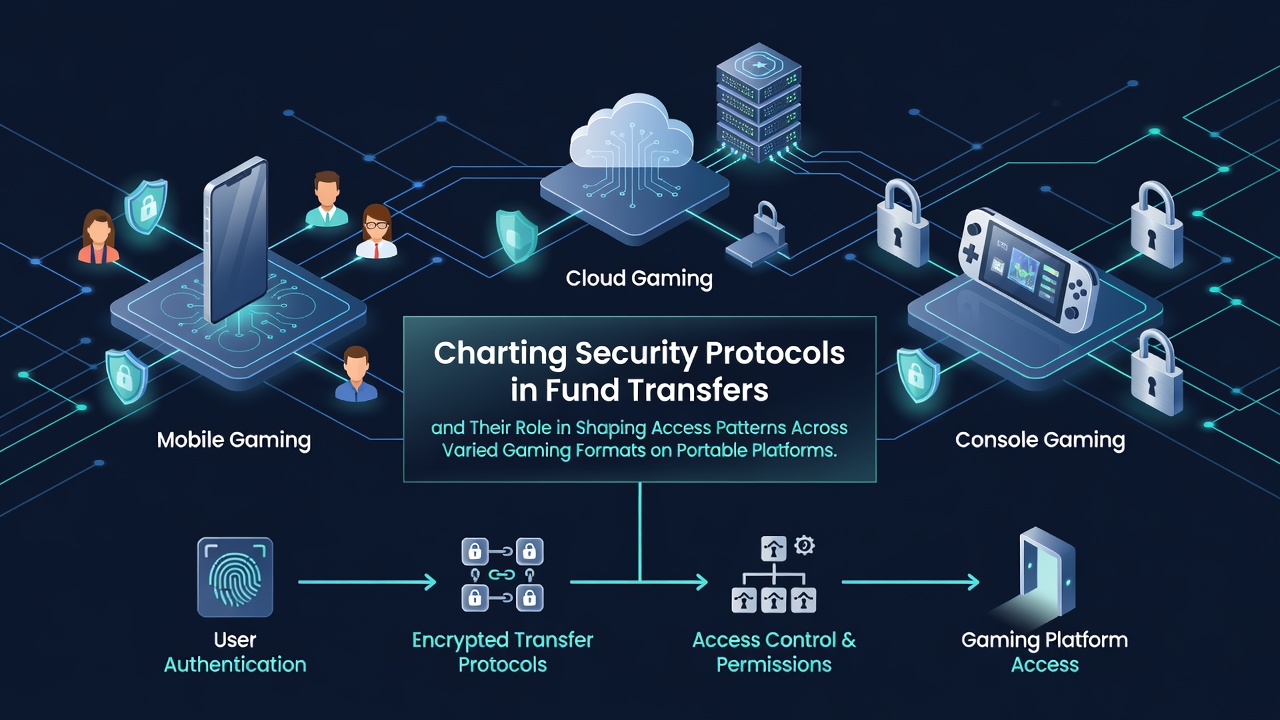
Security protocols embedded in fund transfer systems have evolved to address the demands of portable gaming environments, where encryption layers, tokenization methods, and multi-factor authentication combine to create reliable pathways for deposits and withdrawals across slots, table games, and live dealer formats. These measures establish structured access routes that influence how players engage with different game types on smartphones and tablets. Data compiled through industry monitoring shows consistent patterns where robust verification steps precede higher volumes of activity in progressive jackpot slots compared with quicker-turnaround table options.
Core Elements of Transfer Protection Standards
Encryption standards such as TLS 1.3 form the foundation for data movement between user devices and gaming servers, while tokenization replaces sensitive card details with unique identifiers that reduce exposure during repeated transactions. Observers note that these components operate in tandem with biometric checks on portable platforms, which in turn support seamless shifts between casual slot sessions and extended live dealer interactions. According to reports from the European Gaming and Betting Association, implementation rates for these layered protections reached notable levels by mid-2026, correlating with expanded participation in formats requiring sustained funding streams.
Access patterns emerge clearly when examining device-specific behaviors. Players on tablets often maintain longer sessions in live dealer environments once initial verification completes, whereas smartphone users demonstrate quicker transitions into slot-based play after simplified e-wallet approvals. Studies from research institutions like those affiliated with the University of Las Vegas have tracked these differences, revealing that security friction points tend to filter engagement toward games with lower per-round costs in the early stages of a session.
Impact Across Gaming Formats on Portable Devices
Slot machines on mobile platforms benefit from protocols that enable micro-transactions through pre-approved tokens, allowing repeated spins without repeated full authentication cycles. This setup shapes access by favoring high-frequency, low-stakes patterns that accumulate over time. In contrast, table game formats such as blackjack or roulette see steadier but less frequent funding events, as players typically authorize larger single transfers before committing to multiple hands or rounds.
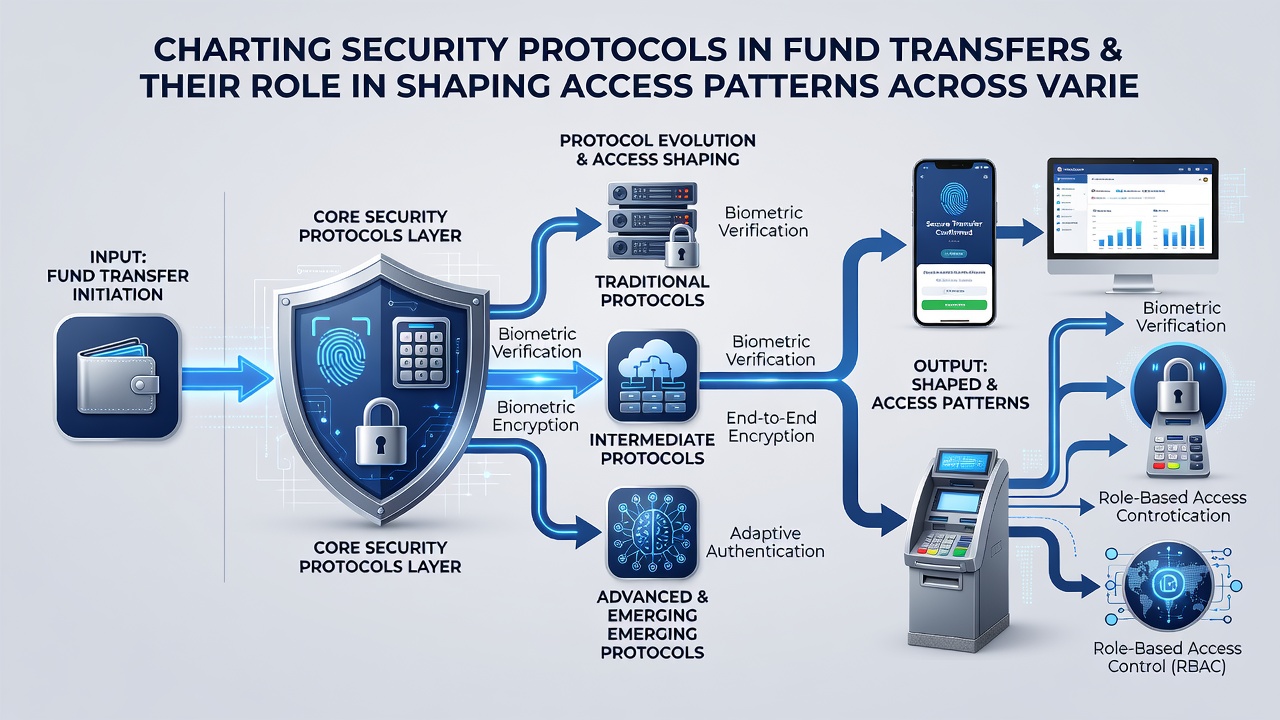
Live dealer offerings introduce additional variables because real-time video streams require uninterrupted connections alongside payment confirmations. Security frameworks that incorporate session tokens help maintain continuity, which researchers have linked to increased dwell times in these hybrid environments. Figures from August 2026 monitoring across North American and Australian markets indicate that platforms employing unified security certificates recorded steadier growth in live dealer access compared with fragmented systems.
Regional regulatory bodies outside the UK, including those in Canada and Australia, have documented how standardized protocols reduce unauthorized access attempts while simultaneously guiding players toward formats that align with verified funding limits. This creates observable segmentation where casual users gravitate toward slots and more committed participants explore table and live options after establishing trusted transfer histories.
Patterns in User Behavior and Platform Adaptation
Portable platform operators adjust game libraries based on transaction analytics that highlight which formats retain users after security checkpoints. Evidence suggests that games with integrated bonus triggers following successful deposits experience higher retention when authentication remains consistent across devices. Those who've examined large datasets note that e-wallet integrations paired with device-bound tokens correlate with broader exploration of varied gaming formats rather than concentration in single categories.
Additional layers such as behavioral analytics monitor for unusual transfer sequences, which helps maintain platform integrity while subtly directing traffic toward lower-risk game types during peak hours. This dynamic continues to influence how access patterns distribute across mobile gaming catalogs as protocols mature.
Conclusion
Security protocols in fund transfers continue to define the boundaries and opportunities for engagement within mobile gaming ecosystems. By establishing reliable verification sequences and reducing exposure risks, these systems channel player activity toward specific formats in measurable ways. Ongoing adaptations by platform providers reflect data-driven responses to these shaped patterns, ensuring that varied gaming options remain accessible under consistent protection standards.